Empowering Your Journey to Independence
Discover the Pathways Designed to Help You Thrive
Our Core Programs
Ready to take the next step toward a brighter, more independent future? At Live Strong House, we’re here to help you navigate the process and find the right fit for your goals.
We don’t believe in a one-size-fits-all approach. Instead, we offer a comprehensive suite of pathways tailored to meet you exactly where you’re at, helping you develop the practical tools needed to thrive in the real world.
Explore our core program areas below to see how we help our students build meaningful, independent lives.
Life Skills
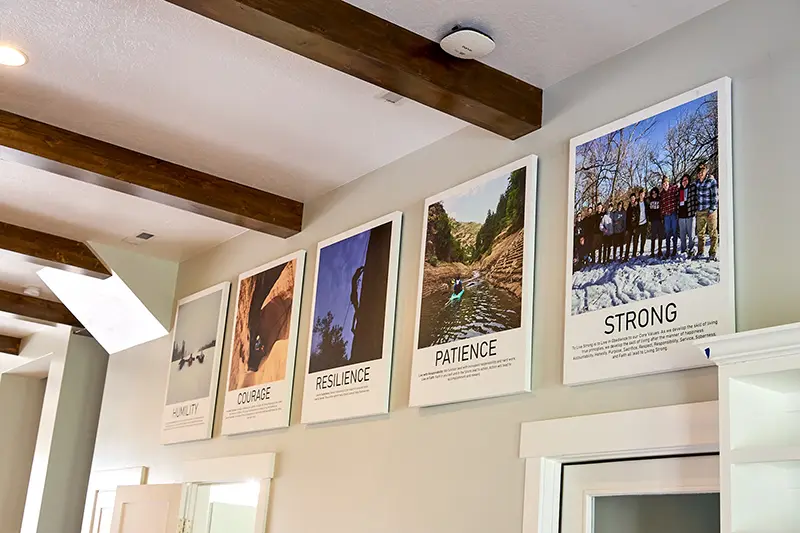
True independence starts with the foundational habits that keep life moving forward. Our life skills programming focuses on the essential competencies that everyone needs but rarely gets taught in a traditional classroom. Students learn everything from budgeting and financial literacy to meal planning, grocery shopping, and communication skills. We practice these skills in real-time, real-world scenarios so they become second nature.
Day-to-Day Life
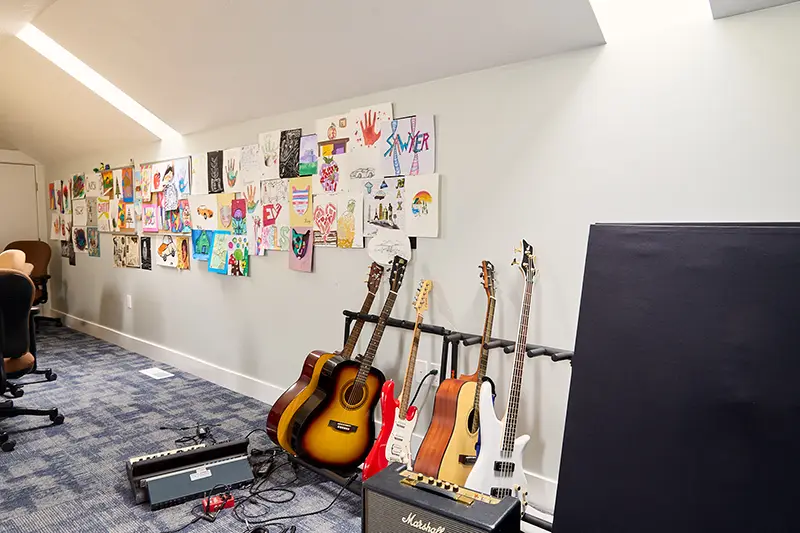
What does it actually look like to live here? Our day-to-day life structure balances autonomy with accountability. Students participate in a daily routine that includes shared responsibilities, recreational activities, fitness, and community meetings. This structured environment helps establish healthy sleep hygiene, time management, and a sense of personal responsibility, all while building deep connections with peers.
Academics
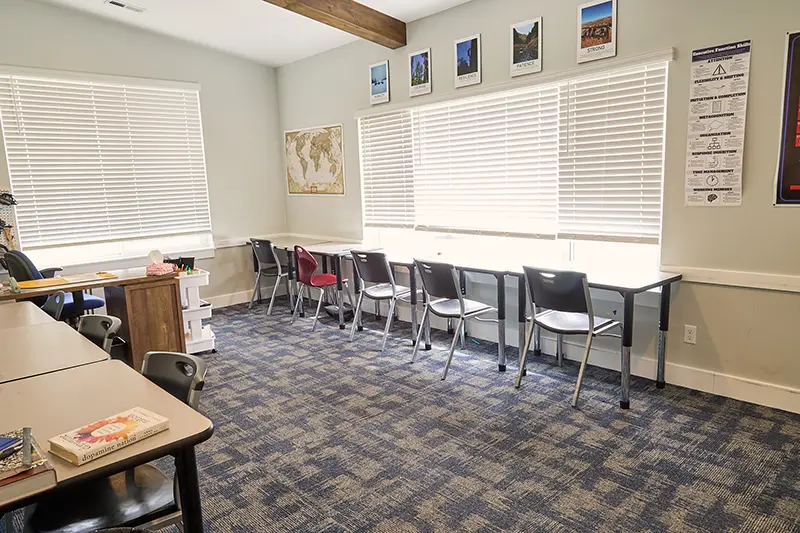
Education is a powerful catalyst for personal growth, but traditional school settings aren’t always the right fit for everyone. Our academic support program provides a flexible, structured environment where students can pursue their educational goals. Whether you’re finishing a high school diploma or navigating college courses, our team offers the tutoring, executive functioning support, and accountability you need to succeed.
Transitional Living
The ultimate goal of our community is to prepare students for a seamless launch into independent adulthood. Our transitional living program acts as a bridge between structured support and total independence. Students in this phase practice managing their own schedules, holding employment or attending school externally, and maintaining their own living spaces, all while having access to a safety net of guidance and mentorship.
Residential Treatment: What the Data Shows
When you choose a care program for your child, you deserve to know that the treatment works—not just while they are there, but for years to come.
A landmark 2026 longitudinal study tracked 1,063 adolescent clients across 24 out-of-home treatment programs (including residential treatment and wilderness therapy) to measure long-term success. The data speaks for itself:
1,063
Total adolescents tracked in the study.
15.5
Average age of students at admission.
6.5 Years
The length of the follow-up study, proving the longevity of the results.
Key Findings: Real, Lasting Progress
- Dramatic Initial Improvement: Across the board, students entering with severe distress showed a sharp, decisive drop in clinical symptoms during treatment.
- Gains That Stand the Test of Time: Follow-up data proved that these positive behavioral and emotional changes lasted up to 6.5 years, with students remaining well below their pre-treatment distress levels.
- Universal Success: Healing is possible for everyone. The study found consistent, positive improvement trajectories regardless of a student's gender, diagnosis, or adoption status.


The Ultimate Predictor of Success: Family
The data revealed a vital truth that sits at the very heart of our mission at Live Strong House:
Family functioning at intake was the single strongest predictor of a student’s long-term trajectory.
The healthier a family’s dynamics and support systems are at the start of the journey, the greater the student’s clinical gains across every single metric. This is why we don’t just treat the child; we assess, support, and involve the entire family throughout the treatment planning and aftercare process.
Frequently Asked Questions
How long do students typically stay with Live Strong House?
There isn’t a fixed timeline because everyone’s journey is different. However, since 30- to 90-day programs don’t typically prove successful, Live Strong House students can expect to stay with us for nine to twelve months. Students benefit from having more time to work on the skills they need to successfully transition out of our programs.
What kind of support is available on weekends?
While weekends have a more relaxed schedule to allow for personal downtime, our staff is always on-site. We organize group recreational outings, community service opportunities, and experiential learning activities to keep Students engaged and connected.
How do you measure a student's progress?
We help set clear, individualized goals with each student upon arrival. Thanks to our live-in coaches and collaborative efforts of the treatment team, we can, in real time, work through patterns and habits of self-sabotage. Repetition is the mother of retention, and deliberate practice cultivates confidence, which is easily measured by observing their actions match their values.