
Healing Fractured Trust Through Daily Mentoring in a Home Environment
Our Relational Model
On this Page
You will find the research behind our approach, how our 3:1 ratio works in practice, and what makes relational coaching different from traditional behavioral programs.
Table of Contents
Authentic Relationships, Real Change
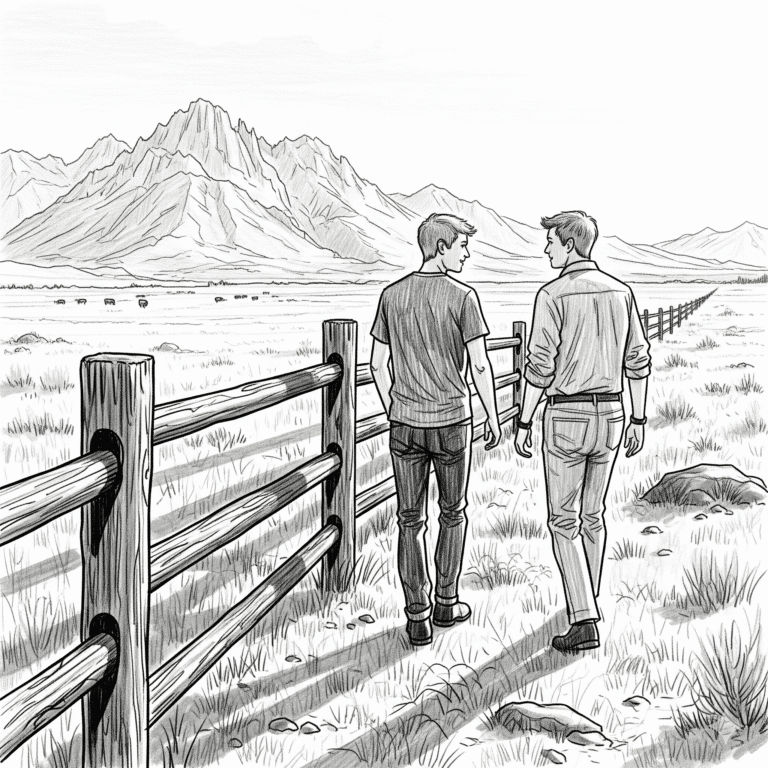
At Live Strong House, we believe transformation happens through authentic relationships—not institutional protocols.
Our relational model creates the foundation for lasting change by placing young men in real townhomes with dedicated life coaches who become true mentors and guides.
This approach is different from traditional programs where staff work shifts and go home at the end of the day.
Our life coaches live alongside students 24/7, creating genuine relationships built on trust, respect, and consistent accountability.
A completely different model where your son lives in a real home with mentors who become like family.
Why Relationships Matter
Most young men who come to Live Strong House have experienced fractured relationships—with parents, peers, teachers, and themselves. Traditional treatment settings often replicate these disconnected patterns through shift-based staffing and institutional environments.
Research shows that lasting change happens within the context of healthy, supportive relationships. When young men experience consistent care from adults who genuinely invest in their success, they begin to:
- Rebuild trust in others
- Develop healthier communication patterns
- Take ownership of their behavior
- Learn to ask for help appropriately
- Practice emotional regulation in real-time
The Neuroscience of Connection
Understanding the Adolescent Brain
Our model isn’t just philosophically sound—it’s grounded in brain science and developmental psychology. Specifically in how the young adult brain actually develops.
This is the science behind your son’s behavior. Because we understand it; we can provide the specific support he needs to grow into a healthy, independent adult.

The Biological Challenge
During these years, a young man’s brain is physically wired to seek peer approval—a process neuroscientists call the Dopamine Push. Without the right mentors nearby, “fitting in” often matters more to him than his own long-term success.
The Relational Solution
Because the brain’s "control center"—or Prefrontal Cortex—is still developing, our 3:1 mentor ratio provides the consistent, mature influence he needs to begin regulating emotions and making better decisions on his own.
Consistent time with mature mentors creates corrective relational experiences that support emotional regulation and accountability during this critical stage of brain development.
The Live Strong House Difference
In Typical Programs
- 12+ students in group homes or dorm-style settings
- Shift-based staffing, with caregivers rotating in and out
- Daily life shaped largely by peer dynamics
- Limited continuity as staff changes over time
At Live Strong House
- No more than 3 students in a real townhome
- Life coaches who live in the home, providing daily consistency
- Most daily time spent with mature, trained mentors
- Stable relationships that allow trust to develop naturally
Why Environment Matters at Live Strong House
3:1 Student-to-Staff Ratio
With no more than three students per life coach, each young man receives consistent attention and mentorship throughout the day. This structure reduces anonymity, increases accountability, and ensures meaningful moments are noticed rather than missed.
Live-In Life Coaches
Our life coaches live in the townhomes with students. They don’t rotate out at the end of a shift. They are present for daily routines—meals, schoolwork, chores, downtime, and evenings—allowing guidance and modeling to happen naturally in real time. Because our life coaches live in the home, they catch the ‘in-between’ moments that a therapist in a session might miss.
Real Townhomes, Not Facilities
Students live in real townhomes, not institutional dormitories or treatment centers. This home-based setting supports responsibility, practical life skills, and prepares students for independent living beyond the program.
Integrated Support
Life coaches work closely with therapists and academic staff to maintain continuity across daily life, clinical care, and school. Insights from therapy inform real-world interactions, and academic challenges receive timely, coordinated support.
Why 24/7 Relational Coaching Matters
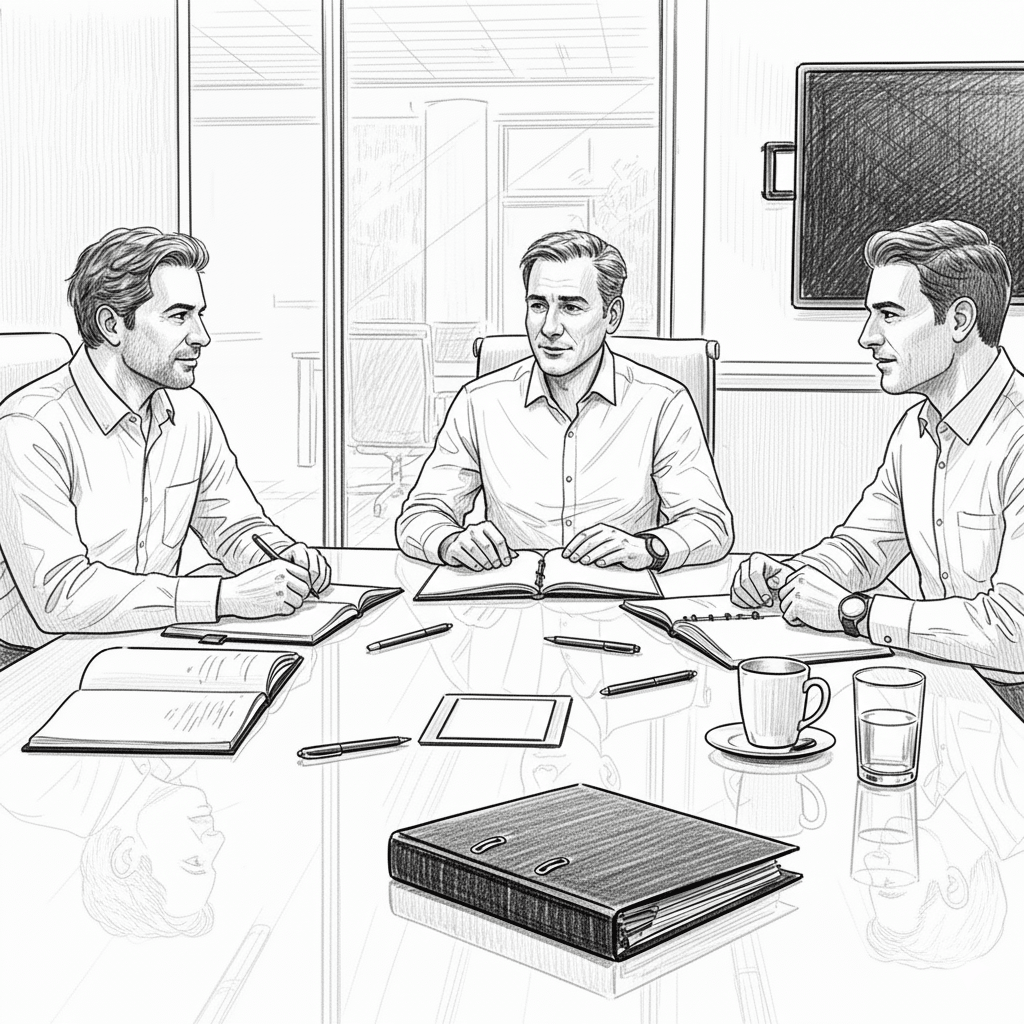
Building Trust Over Time
Trust isn’t built in scheduled sessions alone—it’s built in everyday moments. When a student struggles, succeeds, makes a mistake, or asks for help, those moments become opportunities for connection and growth.
Our life coaches are trained to:
Provide Consistency: Offer predictable, steady support
Compassionate Boundaries: Set clear boundaries with compassion
Daily Accountability: Hold students accountable while maintaining respect
Positive Reinforcement: Recognize progress, no matter how small.
Relational Modeling: Model healthy coping and communication.
PREPARING FOR LIFE BEYOND LIVE STRONG HOUSE
The relationships formed at Live Strong House extend beyond a student’s time here. Students practice skills they will use long after they leave, including:
Social Trust: Trusting appropriate adults.
Effective Advocacy: Communicating needs clearly.
Constructive Feedback: Receiving feedback without defensiveness
Social Maturity: Building mutual respect
Conflict Resolution: Repairing relationships after conflict
These skills carry forward into relationships with family members, teachers, employers, and peers.
Relational Coaching in Practice
Every interaction becomes an opportunity for growth when you have consistent, caring mentors who truly know your son.
Relational Coaching Through Consistency
Your son’s life coach lives in the home, sharing meals, activities, and daily routines. This constant, steady presence builds the trust he needs to lower his defenses and accept guidance.
Coaching Healthy Manhood
Our mentors model healthy masculinity in action—taking responsibility, staying calm under pressure, and being honest about their own mistakes.
Real-Time Skills Coaching
Life skills are practiced in the kitchen and living room. Everyday moments become opportunities for growth and real-time coaching.
Corrective Coaching Experiences
Many students arrive with broken trust in adults. Our coaches show up consistently, keep their word, and stay engaged—even on difficult days.
Coaching for the Future
Relationships don’t end at graduation. Coaches often remain a steady presence as students transition into their next chapter.
How We Select & Train Mentors
Character first. Training always. Supervision ongoing.
- Rigorous vetting: Multi-stage interviews, character references, and national background screening.
- Clinical integration: Weekly staffing with licensed therapists to align shared goals.
- Safety certifications: Full CPR/First Aid certification and strict crisis-prevention protocols.
- Healthy Masculinity: Mentors who model strength with empathy and accountability with warmth.
- Ongoing growth: Continuous case reviews, peer shadowing, and performance feedback labs.