
Day-to-Day Life at Live Strong House
What will your son actually do all day? It’s one of the first questions families ask us.
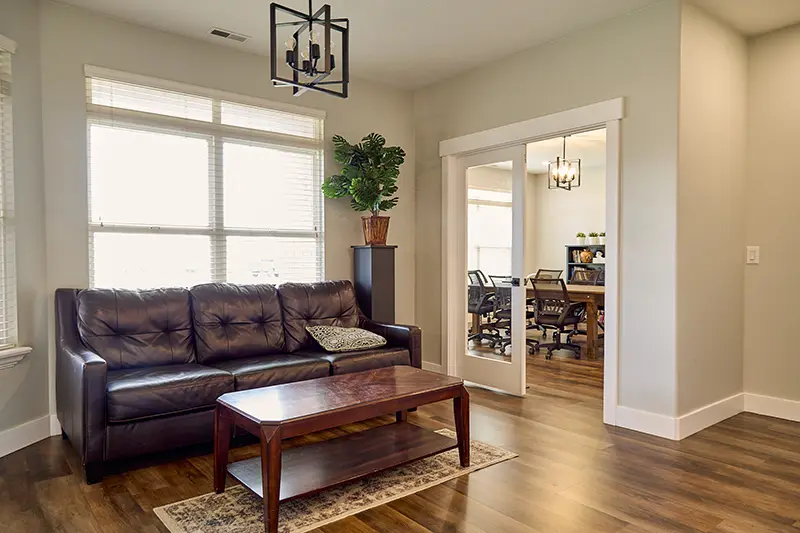
At Live Strong House, a therapeutic boarding school for boys in Utah, daily life has a familiar rhythm without feeling ruled by a clock. School, therapy, and time at home all give students opportunities to grow, with teachers, therapists, and mentors nearby to offer guidance.
As students take part in the household and build relationships with the people around them, they practice the skills they’ll need beyond Live Strong House.
It takes time, and each boy moves forward with support that fits him best.
What Does a Typical Day Look Like?
The days begin with time to get ready and move as all students participate in physical activities at our local Vasa gym before schoolwork starts.
Students also have individual and group therapy sessions. What they discuss through clinical therapy often comes up again in ordinary moments: during a meal, on the way to an activity, or when two housemates disagree.
Staff are present to help students work through those moments while they’re still fresh.
The day includes meals, household responsibilities, recreation, and time to unwind. In the evening, students can look back on how things went before settling in for the night.
School Is Part of the Day, Not Put on Hold
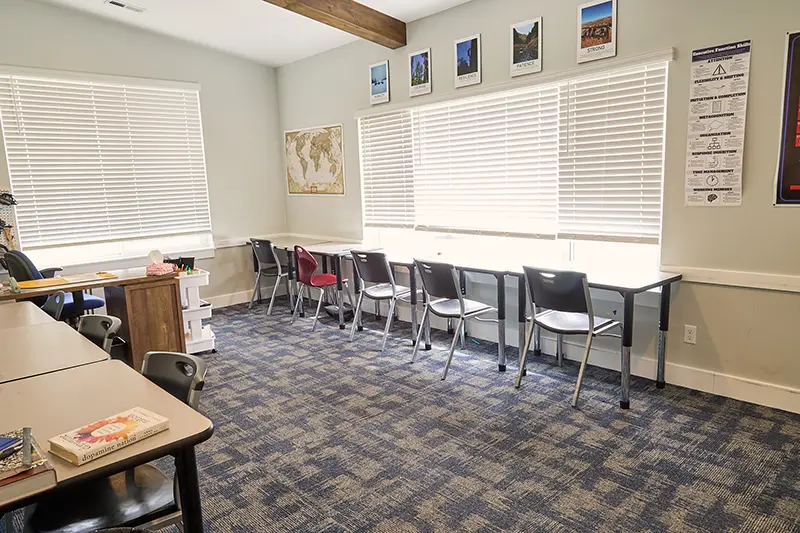
Live Strong House sets aside dedicated time for schoolwork. For a student who has struggled at school, progress might start with opening an assignment, asking for help, or staying with a difficult task a little longer.
Our team provides academic support and executive functioning guidance that helps students practice the habits that can make learning more manageable. Teachers also communicate with other members of the team so academic challenges can be understood as part of the student’s broader needs and goals.
Living and Learning With Other Boys
Living with peers can be rewarding. It can also be hard sometimes.
Students share meals, make plans, and spend time together throughout the week. They have chances to build friendships and to practice listening, speaking up, and handling disagreements.
Living with peers gives students repeated opportunities to practice communication, responsibility, and problem-solving in real situations rather than only talking about those skills in therapy. If a conversation goes badly, a mentor can help them return to it and figure out what to do next.

Weekends Beyond the House
Weekends give students more time to get outside, connect with family, and take part in the community. The pace changes, but the relationships and responsibilities they’re building during the week carry through.
Adventure & Exploration
Students may head into Utah’s outdoors for an activity they know or one they’ve never tried. Along the way, they spend time with their peers, work through challenges, and have the chance to enjoy where they are.
Family & Alignment
Weekends also make room for family connection. With more time to talk, parents and sons can share how things are going, listen to each other, and keep working on their relationship.
That connection is part of the broader family support available at Live Strong House, which gives parents opportunities to remain involved in their son’s progress and prepare for changes that will eventually need to carry back home.
Community & Contribution
Weekends give students time to be part of the community outside Live Strong House. Whether they’re at an event or spending time with others, they have a chance to practice showing up and taking part.
Utah’s Natural Classroom
Time outdoors is part of life at Live Strong House. Utah gives students opportunities to try activities they may already love and discover a few they’ve never considered. Some outings call for patience or teamwork, while others give the boys a chance to enjoy being together outside the house.
Winter Sports
Skiing and snowboarding give students a chance to learn at their own pace. They can work on a new skill, get back up after a fall, and enjoy a day on the mountain with their peers.
Mountain Adventures
A hike can bring out a different side of a student. He may need to keep going when the trail gets difficult, encourage a peer, or try something he wasn’t sure he could do.
Water Activities
In warmer weather, students may go kayaking, paddleboarding, or swimming. These outings offer time to be active, cool off, and spend time together.
Cultural Experiences
Trips to museums, theater performances, and sporting events give students a chance to explore their interests and take part in the wider community.
Service Projects
Students help local organizations with hands-on projects. They work alongside their peers, finish the task in front of them, and see what their effort accomplished.
Team Sports
Basketball, pickleball, and soccer bring students together for some friendly competition. They practice communicating, playing as a team, and handling both wins and losses.
Building Independence Through Daily Choices
Independence takes practice. Students work on it through the tasks and decisions that come up in everyday life, with staff nearby when they need guidance.
The life skills program gives students opportunities to build those abilities through real responsibilities rather than treating independence as something that can be learned only in a classroom.
Personal Space
Students care for their rooms, do laundry, and keep up with hygiene and self-care. These routines help them take ownership of their space and their day.
Community Living
Everyone has a part in keeping a shared home running. Students help with meals, grocery planning, and cleaning. They also practice working through disagreements with the people they live with.
Life Management
Students develop independent living skills by learning to plan their time, keep track of commitments, and practice budgeting. The goal is for them to grow more comfortable handling these responsibilities themselves.
Could You Picture Your Son Here?
You probably have questions that a page can’t answer: how your son would settle in, what support he’d need, and whether this environment would suit him.
You can also explore the broader Live Strong House programs to see how daily living, academics, life skills, and other areas of support work together.
Our admissions team can talk through those details with you.