
A Structured Residential Program for Teenage Boys
Sending your son to a residential program is a big decision. You need to know what his days will look like, what kind of support he will receive, and how you’ll remain part of his life while he’s away from home.
Live Strong House is a structured residential program for teenage boys ages 15–18 in Utah. Students receive personalized therapeutic, academic, and daily-life support in a home setting where they can work toward individual goals while practicing greater responsibility and independence.
What your son learns in therapy can be practiced at school, in the household, and in his relationships with others. That consistency gives him opportunities to build skills in the situations where he will actually need to use them. Families who want a broader look at the available support can also explore the full Live Strong House programs.
How the Program Works
Each student has goals shaped by his needs, strengths, and circumstances. The program provides a consistent daily routine with time for academics, therapy, activities, household responsibilities, and opportunities to practice new skills with staff nearby.
The program brings together:
- Clinical therapy to help your son work through emotional and behavioral challenges and develop healthier ways of responding when difficulties arise.
- Daily mentoring from life coaches who live alongside students and help them apply what they are learning to everyday situations.
- Academic support to help your son make progress in school at a pace that fits his needs and learning profile.
- Life-skills practice that builds greater independence through responsibilities such as cooking, budgeting, managing a schedule, and contributing to the household.
- Family support that gives you a place to work through challenges with your son and remain involved in his progress.
These parts of the program give your son opportunities to use a skill more than once and in more than one setting. If he is learning to ask for help, for example, that may matter during a difficult assignment just as much as it does during a conversation with a parent.
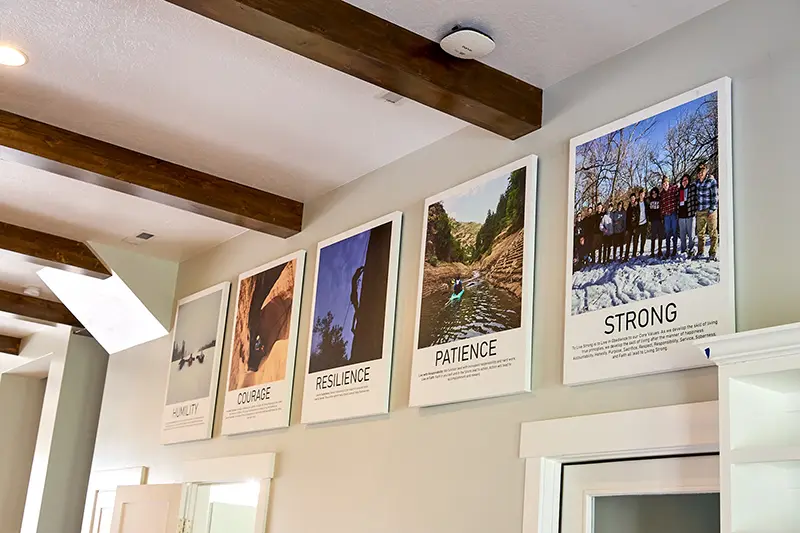

Support Beyond Therapy Sessions
Your son’s therapist, teachers, and life coaches stay in communication about how he is doing. Coaches work with him throughout the day, so they can help him put what he is learning into practice and let the rest of the team know when he needs additional support.
That coordination allows the work he is doing through clinical therapy to carry into school, household responsibilities, relationships, and other parts of daily life rather than remaining limited to scheduled therapy sessions.
Keeping School and the Future in View
Your son continues his education at Live Strong House with support that fits how he learns. Teachers work with the clinical team to understand what may be getting in his way and help him make progress toward his academic goals.
For students who have struggled with organization, attention, motivation, or keeping up with schoolwork, the academic support and executive functioning program can help address the skills that affect everyday academic progress.
Students also help take care of the home. As they become more comfortable with everyday responsibilities, they have room to take on more for themselves and practice the skills they will need as they move toward adulthood. The life skills program gives students opportunities to practice those responsibilities in a real residential setting with guidance from staff.
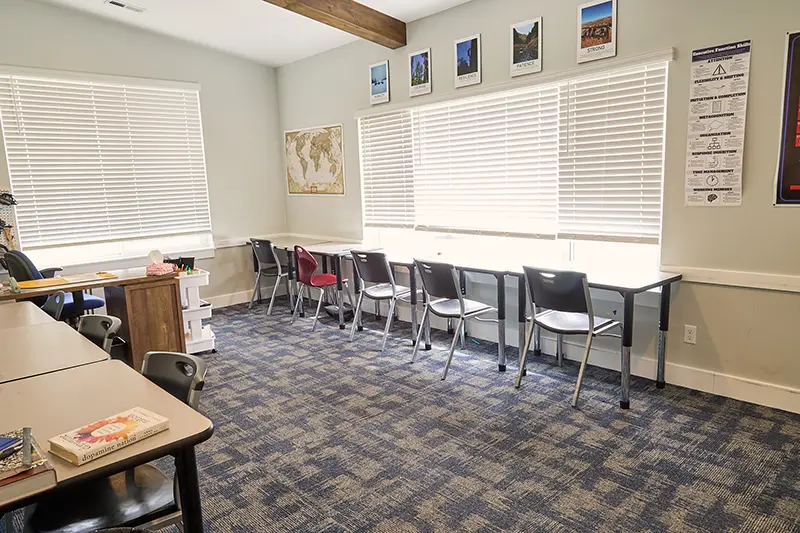

What Your Role Looks Like
Your son’s time at Live Strong House doesn’t put family relationships on hold. Parents participate in treatment planning, receive updates from the team, and work on ways to support their son’s progress at home.
Through family therapy and parent support, families can work on recurring conflicts, set clearer expectations, and practice communicating through difficult moments. The goal is not simply to tell families what is happening at the program, but to give parents opportunities to participate in the work their son is doing.
As your son progresses, the team helps you prepare for visits and, eventually, his next step after Live Strong House. You’ll know what he is working toward and have opportunities to practice changes together. His individual therapy also retains appropriate privacy so he can speak openly with his therapist.
Looking at Progress
Progress looks different for each young man, so the team returns to his individual goals over time.
They look at how he is doing across therapy, school, relationships, and daily life. That includes questions such as:
- Is he engaging more consistently with his schoolwork?
- Is he taking greater responsibility for everyday tasks?
- How does he respond when something doesn’t go as planned?
- Is he communicating differently with his family?
- Is he becoming more capable of managing expectations with less support?
Your perspective matters in those discussions. Together, the team and your family can identify what is improving, where he still needs support, and what he may need as he prepares for the setting he will enter next.

Let’s Talk About Your Son
You may still have questions about whether Live Strong House is a good fit for your son. No residential program is right for every teenager, and understanding his needs, current challenges, and goals is an important part of deciding what comes next.
Our team can talk through your concerns, explain how the program works, and walk you through the admissions process so your family can make an informed decision.
Let’s discuss your son’s needs.
Frequently Asked Questions
Will we be able to visit our son?
Yes. The team helps families prepare for visits and decide when they’re appropriate. You’ll also have an opportunity to talk afterward about how the visit went and what the family can continue working on together.
Can we participate in family therapy if we live far away?
Yes. Family therapy takes place by secure video call, allowing parents to remain involved even when they do not live near Live Strong House.
Will we know everything our son discusses in therapy?
You’ll receive updates about his goals and overall progress. His individual sessions also have an appropriate level of privacy so he can speak openly with his therapist.
How long do students typically stay?
Timelines may vary from one student to the next . Families can generally expect a stay of nine to twelve months, depending on their son’s needs, goals, and progress.
What happens when it’s time for him to leave?
The team works with your family on the transition, including expectations at home and the support your son may need afterward. That planning begins before his departure, giving your family time to prepare together.