
Group Therapy for Teenage Boys
Opening up can feel difficult, especially when a young man worries about being judged or misunderstood. Group therapy gives students a structured setting to practice expressing themselves, listening to others, and working through challenges with clinical guidance.
At Live Strong House, group therapy for teenage boys complements the personal work of individual therapy and the relationship work of family therapy. Each setting serves a different purpose, helping students develop skills they can use with peers, at home, and in their wider communities.
A Place to Practice Connection
Knowing what healthy communication looks like is different from using it during a difficult conversation. Group therapy creates opportunities to practice those skills with other young men.
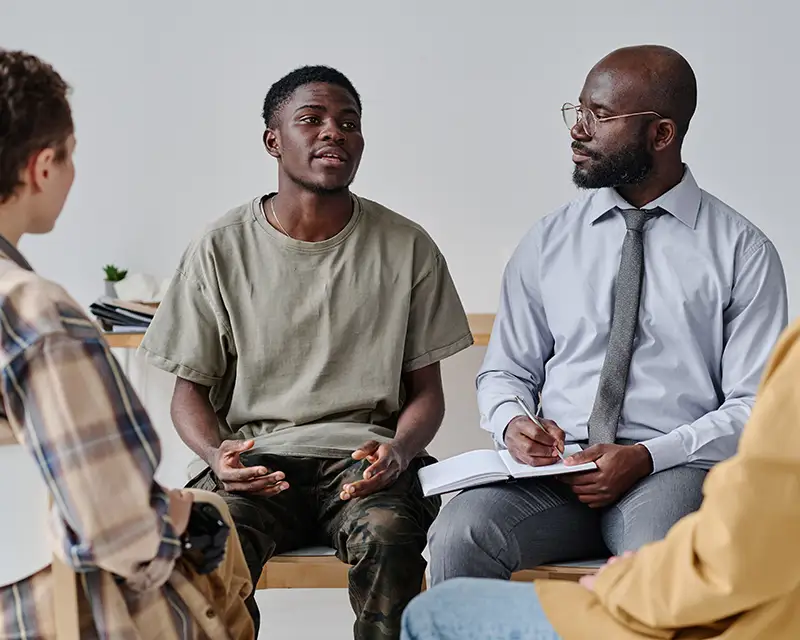
A clinically facilitated session may include guided discussion, reflection, or exercises around a shared topic. Students can explore how they respond to frustration, disagreement, uncertainty, or feedback. The facilitator helps keep the conversation constructive and connects it to therapeutic goals.
Group sessions also offer a chance to hear different perspectives. A student may recognize something familiar in another person’s experience or begin to understand how his own words and actions affect others.
What Students Can Work On in Group Therapy
Communication and Listening
Students practice explaining what they mean, asking questions, and listening without immediately interrupting or defending themselves. They can learn to disagree respectfully and communicate needs more clearly.
Emotional Awareness
A young man may know he feels angry without recognizing the disappointment, embarrassment, or worry underneath. Group discussions can help students identify emotions and notice how those feelings influence their reactions.
Vulnerability and Trust
Vulnerability can begin with acknowledging uncertainty, asking for help, or admitting that something was difficult. Group work gives students opportunities to practice openness while learning to respect other people’s boundaries.
Accountability
Accountability involves recognizing the impact of a choice and considering what to do next. With clinical guidance, students can practice receiving feedback, taking responsibility, and repairing a misunderstanding without turning the discussion into blame.
Healthy Relationships
Group therapy can help young men explore boundaries, mutual respect, conflict, and trust. Students practice responding to others as individuals with their own feelings and perspectives.
How Group Therapy Complements Other Therapy
Different concerns call for different therapeutic settings. Group work adds opportunities for interaction while preserving the need for focused individual and family care.
Individual therapy gives a student dedicated time with his therapist to address personal concerns, explore sensitive experiences, and work toward individualized goals.
Group therapy brings a relational component to that work. Students can practice listening, expressing emotions, and responding to feedback with others present.
Family therapy focuses on relationships within the family, including communication patterns, boundaries, and rebuilding trust. Skills practiced in a group may support those conversations, while family sessions address the family’s specific needs.
Learn how these services fit together through our clinical therapy overview. For information about the approaches clinicians may draw on, visit Treatment Modalities.


Clinical Group Work and Everyday Peer Life
Living alongside peers provides everyday opportunities to cooperate, navigate disagreements, and build relationships. Clinically facilitated group therapy has a distinct purpose: a professional guides the session toward therapeutic goals and helps students reflect on what happens during the interaction.
For example, a student might practice responding calmly to feedback during a session, then use that skill when a disagreement arises later. Everyday experiences can also raise questions he brings back to therapy.
Live Strong House’s coordinated clinical, life coaching, and academic support helps connect therapeutic goals with daily practice. Learn more about everyday relationship development and independence on our Day-to-Day Life page.
Frequently Asked Questions
What happens during group therapy?
Sessions may involve guided conversations, reflection, or skill practice. Students might discuss managing frustration, communicating needs, setting boundaries, or handling conflict. The specific activities depend on the group’s goals and clinical needs.
How is group therapy different from individual therapy?
Individual therapy provides focused time between a student and his therapist. Group therapy includes other students, creating opportunities to practice communication, hear different perspectives, and explore relationship patterns with clinical guidance. The two settings complement each other.
Who leads group therapy?
Generally, clinical group therapy is facilitated by mental health professionals, and co-facilitated by experienced group leaders who guide discussion and support therapeutic goals. Ask our team who leads the groups and how those sessions fit into your son’s care.
Are students required to share personal information?
Ask our team about participation expectations. Meaningful participation can include listening, reflecting, and practicing skills; it does not always require sharing deeply personal experiences. Sensitive concerns can also be addressed in individual therapy.
How does group therapy help teenage boys?
Group therapy gives young men opportunities to practice emotional awareness, communication, accountability, and healthy relationships with support. Hearing others’ perspectives may help a student feel less alone and consider new ways to respond to challenges.
Explore Clinical Support for Your Son
Understanding how individual, group, and family therapy work together can help you evaluate your son’s needs. Explore Live Strong House’s clinical care model and speak with our team about the support available.